Why Maruti Suzuki and Toyota Cars Have Similarities
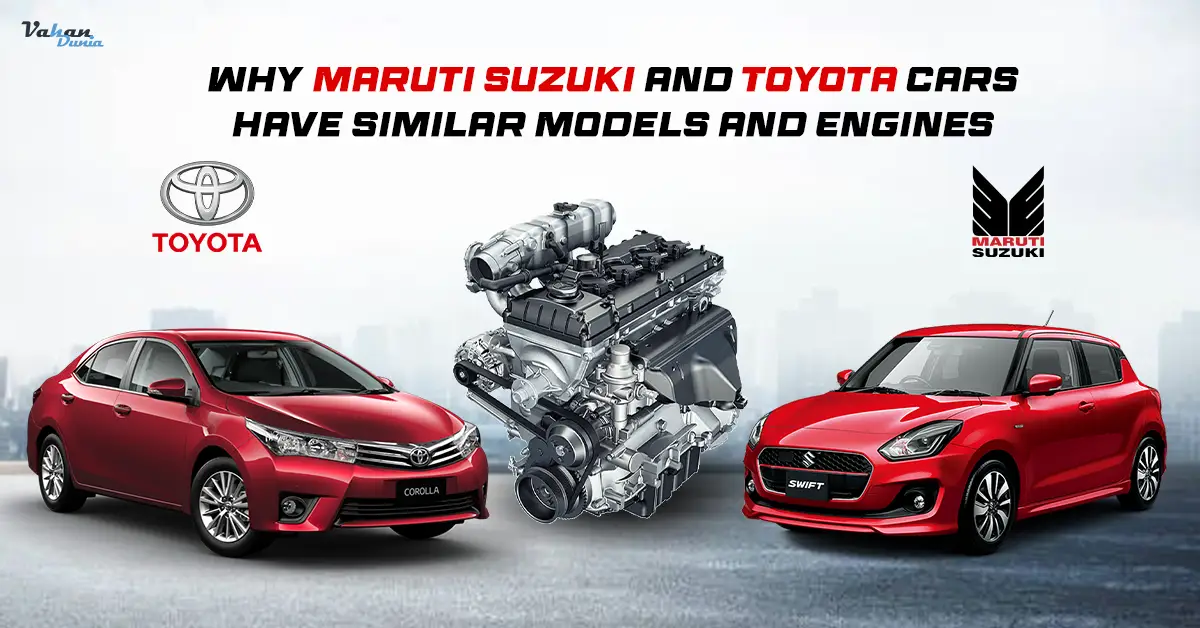
The Indian automobile market has seen many partnerships over the years, but one of the most noticeable collaborations is between Maruti Suzuki and Toyota. Many customers often wonder why several cars from these two brands look similar, share the same engines, and even offer nearly identical features.
Models such as the Toyota Glanza and Maruti Suzuki Baleno, or the Toyota Urban Cruiser Hyryder and Maruti Suzuki Grand Vitara are examples of this partnership. The reason behind these similarities lies in a global automotive strategy called rebadging and technology sharing.
Partnership Between Maruti Suzuki and Toyota
Toyota and Suzuki entered into a global partnership to strengthen their market presence, reduce manufacturing costs, and develop better technologies together.
In India, Maruti Suzuki benefits from Toyota’s hybrid technology and global engineering expertise, while Toyota benefits from Maruti Suzuki’s strong dealership network and affordable car platforms.
This collaboration allows both companies to offer more products in different market segments without spending huge amounts on developing completely new vehicles separately.
Why Are the Models Similar?
One major reason is platform sharing. In the automobile industry, a platform refers to the base structure of a car, including:
- Chassis
- Engine setup
- Transmission layout
- Suspension system
Instead of developing separate cars from scratch, both companies use the same platform and redesign some exterior and interior elements according to their brand identity.
Model Comparison of Maruti Suzuki and Toyota
| Maruti Suzuki Model | Toyota Model |
|---|---|
| Baleno | Glanza |
| Grand Vitara | Urban Cruiser Hyryder |
| Ertiga | Rumion |
| Fronx | Taisor |
| Invicto | Innova Hycross-based Premium MPV |
This method helps both brands reduce production costs and launch vehicles faster.
Why Do They Use the Same Engines?
The engines are often shared because engine development is expensive and time-consuming. By using the same engine technology, both companies can:
- Reduce manufacturing expenses
- Improve fuel efficiency
- Meet emission norms easily
- Simplify spare parts availability
- Improve reliability
For example, the strong hybrid engine technology used in the Maruti Suzuki Grand Vitara comes from Toyota’s hybrid expertise. Similarly, several Toyota rebadged cars in India use Maruti Suzuki petrol engines because they are known for fuel efficiency and low maintenance.
Benefits for Customers
1. Better Technology at Affordable Prices
Customers get access to advanced hybrid and fuel-efficient technology without paying extremely high prices.
2. Wider Service Network
Since Maruti Suzuki has one of the largest service networks in India, customers benefit from easier maintenance and spare part availability.
3. Proven Reliability
Both companies are known for reliable vehicles, which increases customer confidence.
4. More Choices in the Market
Even though the vehicles share similarities, both brands offer different styling, features, warranty packages, and customer experiences.
Are There Any Differences Between the Cars?
Yes, despite similarities, there are still differences between the models.
These may include:
- Front grille design
- Bumpers and alloy wheels
- Interior colour themes
- Feature lists
- Warranty coverage
- Brand-specific tuning
For example, Toyota may offer a longer warranty package, while Maruti Suzuki may focus more on affordability and service accessibility.
Impact on the Indian Automobile Market
This partnership has changed the Indian automobile industry significantly. It has encouraged:
- Faster adoption of hybrid technology
- Cost-effective manufacturing
- Better competition in the SUV and hatchback segments
- Improved fuel-efficient mobility solutions
As emission norms become stricter and demand for eco-friendly vehicles increases, such collaborations are expected to become more common in the future.
Conclusion
The similarity between Maruti Suzuki and Toyota cars is mainly due to their strategic partnership focused on technology sharing, platform sharing, and cost efficiency.
By working together, both companies can offer reliable, fuel-efficient, and feature-rich vehicles to Indian customers at competitive prices.
While many models may share engines and platforms, each brand still maintains its own identity through design, features, pricing, and customer service experience.