
Complete Driving Guide: Basic to Advanced Driving Skills
Driving skills constitute fundamental survival abilities that provide individuals with access to various professional paths. Driving skills prove useful for both road trips and daily work commutes. The process of learning to drive becomes quite difficult for people who lack driving experience.
According to our research, we created a complete driving guide that shows drivers all the important driving skills they need to master. The basic driving skills, together with traffic rules, that all drivers must know to maintain safe driving standards, will be taught to us. The guide provides complete driving training from basic to advanced levels, which enables you to drive safely on public roads.
Understanding Vehicle Controls
We will begin our program, which teaches driving skills through practical driving experience. The driver needs to operate the vehicle by learning the essential driving skills, which include operating all car controls. The driver needs to operate the vehicle by learning the essential driving skills, which include operating all car controls. The driver needs to operate the vehicle by learning the essential driving skills, which include operating all car controls.
The steering wheel enables drivers to decide which way their vehicle should go. The driver needs to operate the vehicle by learning the essential driving skills, which include operating all car controls.
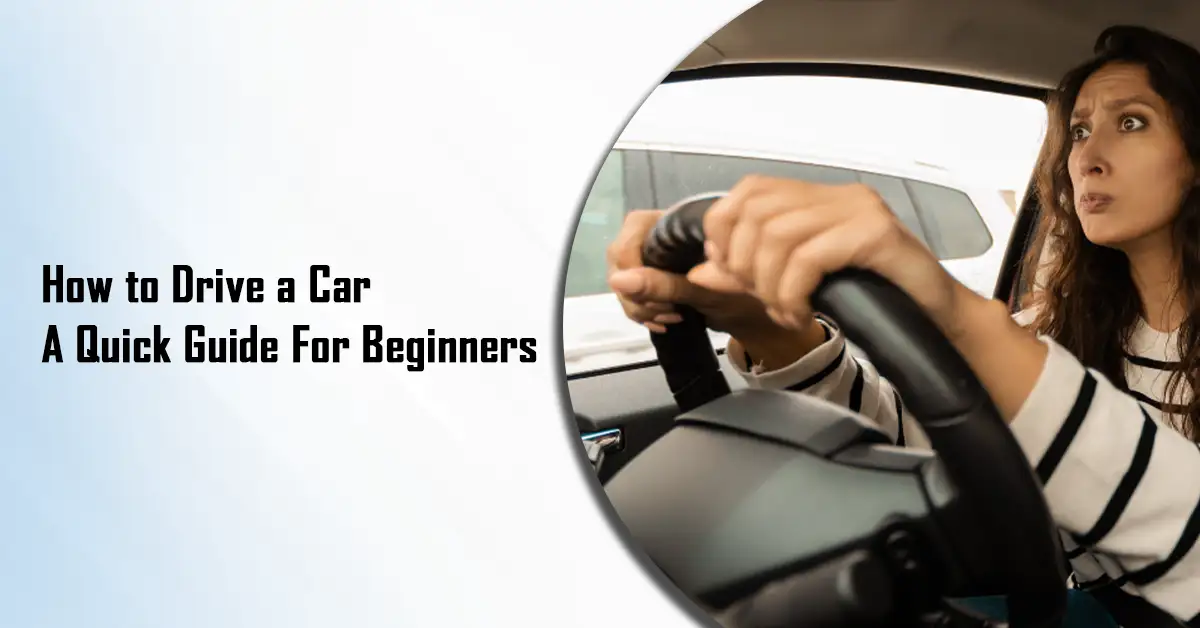
Drivers should maintain their hands on the steering wheel at the 10 o’clock and 2 o’clock positions because this grip provides themwit total control over the vehicle.
Drivers who turn the wheel left will make their vehicles move left, while drivers who turn the wheel right will make their vehicles move right. Drivers who turn the wheel left will make their vehicles move left, while drivers who turn the wheel right will make their vehicles move right.
The three pedals which drivers use to control their vehicle consist ofthe accelerator pedal, brake pedal, and clutch pedal.
- The accelerator pedal enables drivers to increase their vehicle speed.
- Drivers use the brake pedal to reduce their speed or bring their vehicle to a complete stop.
- The clutch pedal enables drivers to switch between gears by connecting or disconnecting the vehicle’s transmission system.
Gear Shift System
The gear shift system enables drivers to select different driving modes.
The gear shift is used to change the gears of the car, allowing you to adjust the speed and power of the engine. In a manual transmission car, you need to use the clutch pedal while shifting gears, while in an automatic transmission car, the car does it for you.
Dashboard Controls
The dashboard controls display crucial vehicle data, which includes your current speed,d fuel quantity and engine heat. You need to learn all the dashboard controls because they enable you to track your vehicle’s functioning and deal with problems as they come up.
Other Controls
Drivers need to operate essential vehicle functions, which include the handbrake, headlights, indicators and horn. Drivers need to learn effective usage of these controls, which will help them maintain safe driving conditions.
Pro Tip: Before driving, take some time to adjust your seat, mirrors, and steering wheel to the correct positions to ensure maximum comfort and visibility while driving.
How To Drive A Car: Basic Driving Skills and Traffic Rules
You will now practice essential driving skills after you have learned about the car controls and vehicle operation. Everybody needs to practice because it leads to perfect results. You need to acquire these driving skills which serve as essential driving skills to achieve your driving goals.
- Starting and stopping smoothly: The driver needs to press the accelerator pedal for forward movement while applying brakes through gradual pedal release. The driver should avoid making sudden movements because they create discomfort for passengers, which can cause engine malfunctions.
- Steering: The driver needs to grasp the steering wheel using both hands while making light turns to navigate their route. The driver should avoid making abrupt movements because they create the possibility of losing vehicle control through skidding.
- Changing gears: Drivers use the gear shift to achieve smooth and efficient gear transitions between different driving speeds. Drivers need to press the clutch pedal to its maximum point before starting gear changes, and they should release it while pressing the accelerator pedal.
- Making turns: Drivers need to follow traffic regulations while using indicators to show their upcoming turns to other road users. Drivers should maintain safe vehicle separation from other cars by executing their turns at a smooth speed.
- Changing lanes: Before you change lanes, check your side view mirrors to see any approaching vehicles. Always signal your intent to other drivers and change lanes gradually, without sudden turns or movements.
Drivers need to learn basic driving skills, together with understanding the traffic rules. These rules exist to protect the safety of all road users. Here are some traffic rules you should remember:
- Seatbelt: All drivers and passengers need to wear their seatbelts. The law requires drivers to wear seatbelts, whichprotects them in case of an accident.
- Speed limits: Drivers must adhere to speed limits because they protect against accidents and traffic violations. Different zones may have different speed limits, and these limits may change depending on the time of day.
- Traffic signals: You must follow all traffic signals and signs, which include stop signs, yield signs, and traffic lights. The red light requires you to stop, while the green light permits you to proceed.
- Mobile phone: Drivers must not use their mobile phones for any purpose while they operate their vehicles. The behaviour creates a dangerous road situation that can cause traffic accidents.
- Drinking and driving: The law prohibits people from operating vehicles after consuming alcohol or drugs because it creates a dangerous situation. Your actions create a dangerous situation because you endanger yourself and other people who use the road.
Also Check: Diesel vs. Petrol Cars
Defensive Driving and Road Safety
Driving requires absolute focus on road safety, which makes defensive driving a necessary skill for all drivers. Drivers must practice defensive driving because it requires them to identify all possible road dangers and create prevention strategies before those dangers become actual threats.
Safety measures that you create through hazard assessment and planning processes will provide better protection for yourself and other people.
Defensive driving includes these essential rules to follow.
- Drivers must maintain a distance from other vehicles, which requires them to keep two seconds between themselves and the vehicle ahead of them. This will give you enough time to react if the vehicle suddenly stops or slows down.
- The driver needs to monitor all movements in their environment through ongoing road observation and regular mirror checks. The driver needs to monitor all movements in their environment through ongoing road observation and regular mirror checks. The driver needs to monitor all movements in their environment through ongoing road observation and regular mirror checks. The driver needs to monitor all movements in their environment through ongoing road observation and regular mirror checks. The driver needs to monitor all movements in their environment through ongoing road observation and regular mirror checks. The driver needs to monitor all movements in their environment through ongoing road observation and regular mirror checks. The driver needs to monitor all movements in their environment through ongoing road observation and regular mirror checks. The driver needs to monitor all movements in their environment through ongoing road observation and regular mirror checks. The driver needs to monitor all movements in their environment through ongoing road observation and regular mirror checks. The driver needs to monitor all movements in their environment through ongoing road observation and regular mirror checks.
- Drivers should not expect other drivers to follow their expected driving behaviour. You should not expect other drivers to yield to you even when you have the right of way. You should always stay ready to stop or make a quick escape from dangerous situations.
- Drivers must follow traffic laws, which include traffic signals and signs and speed limits.
- Drivers need to concentrate on the road because it represents their primary duty when operating a vehicle. Drivers need to avoid all interruptions, which include using their phone, eating and adjusting the radio while they drive. Drivers need to avoid all interruptions, which include using their phone, eating and adjusting the radio while they drive. Drivers need to avoid all interruptions, which include using their phone, eating and adjusting the radio while they drive. Drivers need to avoid all interruptions, which include using their phone, eating and adjusting the radio while they drive.
Defensive driving is especially important in challenging or hazardous driving conditions, which include bad weather, heavy traffic and poor visibility. Drivers need to decrease their speed and extend their following distance during these situations because this will provide them with more time to deal with dangerous situations that may arise.