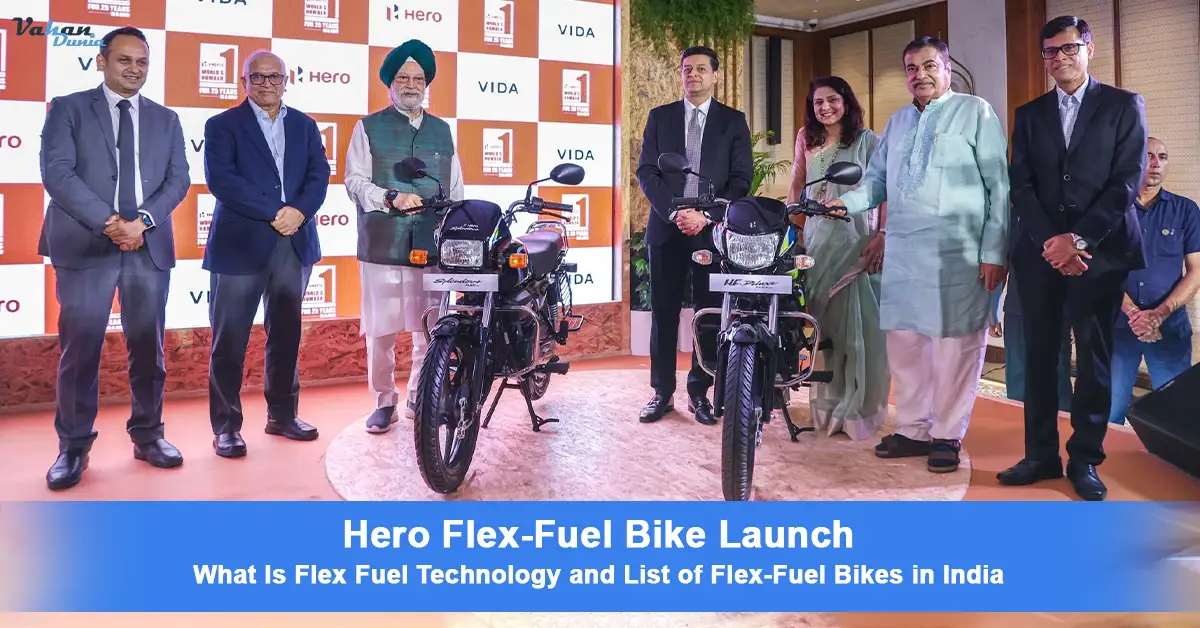
As the Indian automotive scene moves toward cleaner and more sustainable mobility options, manufacturers are looking at alternative fuels so they can depend less on regular petrol. One tech that’s getting attention is Flex-Fuel Technology, and Hero MotoCorp has basically jumped on board with the launch of a new flex-fuel motorcycle.
With flex-fuel bikes coming in, the idea is to help India reach its target of cutting fuel imports, while also giving riders a ride that feels a bit more environmentally considerate.
Hero Launches New Flex-Fuel Motorcycle
Hero MotoCorp has introduced a flex-fuel version of its popular motorcycle lineup, designed to run on ethanol-blended fuel. The bike can run on fuel blends with a high share of ethanol, so it kinda works as a greener alternative compared with the usual petrol-powered motorcycles, and that’s the idea really.
The launch shows Hero’s dedication to backing India’s ethanol-blending plan, and also pushing cleaner mobility options, you know, the less smoky type of progress.
What is a flex-fuel bike?
A flex-fuel bike is basically a motorcycle with a specially tuned engine and fuel system that can handle different mixes of petrol and ethanol, without you doing much.
Compared with regular petrol bikes, flex-fuel motorcycles can operate on:
Pure petrol
E20 fuel (20% ethanol, 80% petrol)
E85 fuel (85% ethanol, 15% petrol)
Various petrol-ethanol blends
The engine handles it on its own, by adapting the fuel injection and combustion settings based on what’s actually in the tank, pretty smoothly most times.
How flex-fuel technology works
Flex-fuel engines rely on sensors and electronic control units; they figure out the ethanol content in the fuel tank and then react accordingly.
After that, the system adjusts.
Fuel injection timing
Air-fuel mixture
Ignition timing
Engine performance parameters, the whole setup
So the vehicle keeps running efficiently, even when the fuel blend changes, it’s more flexible than it looks.
Benefits of flex-fuel bikes
Reduced fuel import dependence
India still imports a big portion of its crude oil needs. Ethanol, meanwhile, can be made domestically from crops like sugarcane, maize, and agricultural residues, which means less reliance on imported fuel and less drain.
Lower carbon emissions
Ethanol burns cleaner than conventional petrol, which helps cut greenhouse gas emissions and also reduces air pollution, a win for health and the sky.
Support for farmers
More ethanol production can raise demand for crops, and that can translate into new income chances for farmers, in a more stable way, maybe.
Fuel Flexibility
Riders can use different ethanol-petrol blends depending on fuel availability without worrying about engine compatibility.
Sustainable Mobility
Flex-fuel technology provides an alternative pathway towards cleaner transportation while utilising existing fuel infrastructure.
List of Flex-Fuel Bikes in India
Several manufacturers have started introducing flex-fuel motorcycles in the Indian market.
Hero Flex-Fuel Motorcycle
Hero MotoCorp's flex-fuel motorcycle is among the latest additions to India's alternative fuel vehicle segment.
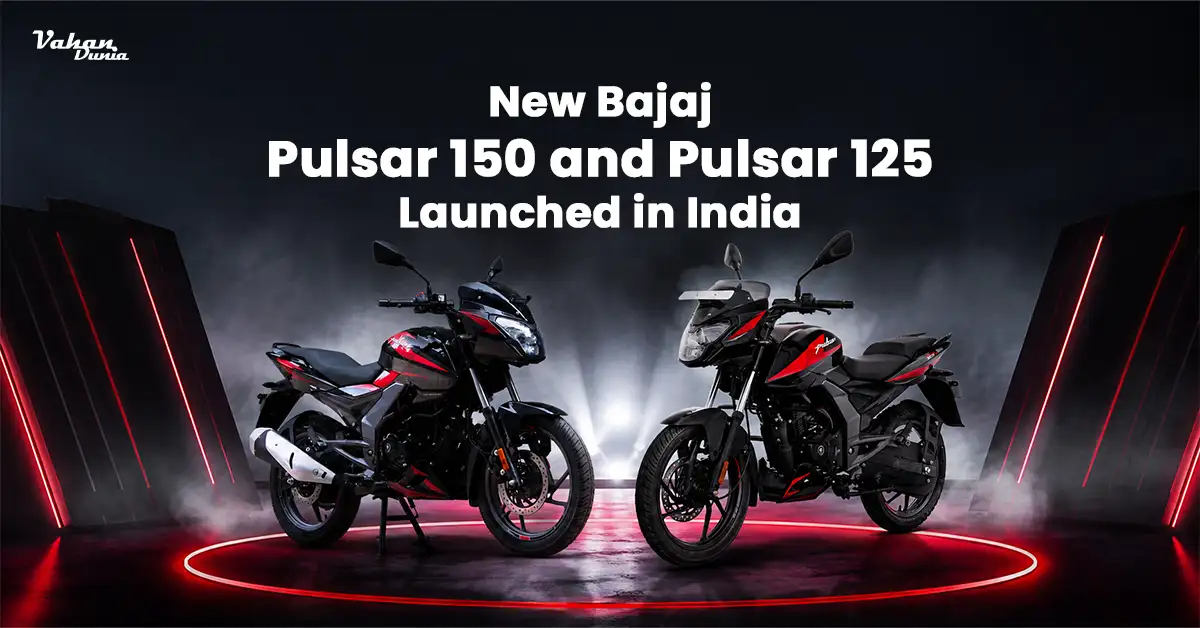
Bajaj Pulsar N125 Flex Fuel
Bajaj Auto has showcased a flex-fuel version of the Pulsar platform capable of operating on ethanol-blended fuel.
TVS Apache RTR 200 Fi E100
TVS was one of the early adopters of ethanol-based motorcycles with the Apache RTR 200 Fi E100, designed to run on ethanol fuel.
Honda Flex-Fuel Motorcycle (Under Development)
Honda has announced plans to introduce flex-fuel two-wheelers as part of its future mobility strategy.
Yamaha is also poking around with flex-fuel tech for upcoming motorcycle launches in India and in other global markets, you know, the whole idea is to keep things more flexible for fuel type. In the background, this kind of “expected” move keeps showing up in discussions.
Now, even with the upsides, flex-fuel bikes have some bumps in the road. For one thing, high-ethanol fuel isn’t easy to find in every region, and that alone can slow adoption. Then there are the cost side issues too—manufacturing these motorcycles can come out higher than regular models, partly because the systems need extra tuning. On top of that, ethanol distribution infrastructure still needs to grow, like more supply points and more reliable logistics. And honestly, a lot of riders still aren’t fully clued in about how flex-fuel works; consumer awareness can lag.
Still, as ethanol infrastructure continues expanding, these problems are likely to fade, bit by bit over time.
Separately, the government is pushing ethanol mobility pretty hard. India is actively encouraging ethanol blending to cut down on fuel imports and also to lower emissions. And with the national target for higher ethanol use in transportation, manufacturers are getting more incentive to develop flex-fuel vehicles across different segments.
This policy support is likely to accelerate the adoption of flex-fuel motorcycles in the coming years.
Conclusion
The launching of Hero’s flex-fuel motorcycle kinda marks another important milestone toward more sustainable mobility in India. These flex-fuel bikes give fuel flexibility, lower emissions, and boost domestic ethanol production at the same time, so they help reduce the country’s dependence on imported crude oil, which is really a big deal.
Now, as the fuel infrastructure keeps improving and more manufacturers step into this space, flex-fuel motorcycles might become a noteworthy piece of India’s upcoming two-wheeler market. They could offer riders a practical and environmentally friendlier alternative to the usual petrol-powered bikes, not just on paper but in everyday life too.